

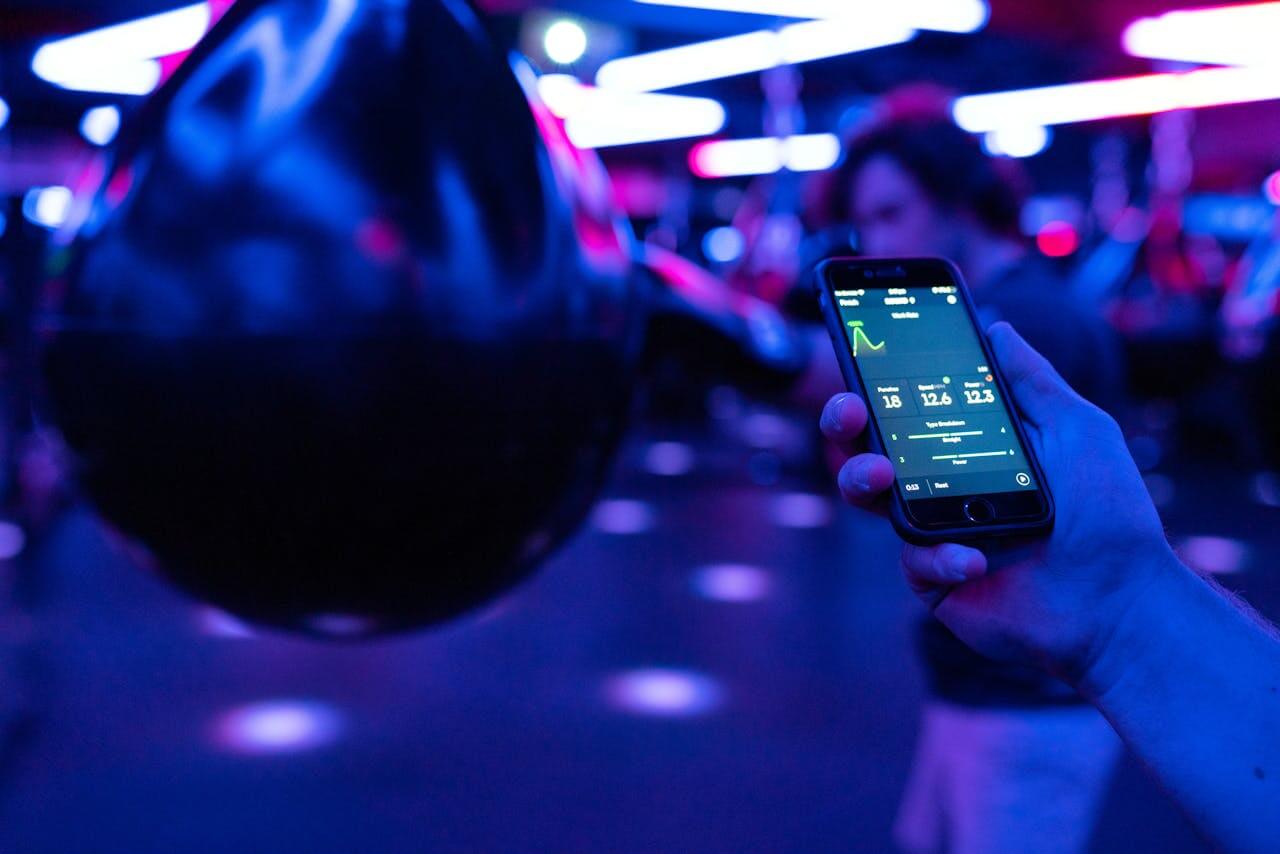
Personal training is getting a brain upgrade. In 2025, AI isn’t just counting reps. It’s reading your readiness, adjusting intensity in real time, and nudging you when motivation dips. The result? Smarter workouts, better adherence, lower costs, and coaching that feels like it was built just for you.
This Motivuu.com guide breaks down how AI coaching works, why it’s accelerating results, and where the limits still are. Short sections. Clear evidence. Actionable takeaways.
🤖 What AI coaching actually does
AI personal trainers use your data to tailor each session. They blend movement tracking, biometrics from wearables, and progress history to generate dynamic workouts. The system updates sets, reps, tempo, and rest as you train. It also analyses recovery, stress, and sleep to recommend when to push and when to pull back.
- Real-time adaptation: Change a lift mid-set if form degrades.
- Personalized progression: Smarter load increases based on actual performance.
- Recovery-aware programming: Adjust sessions using sleep and HRV data.
- Habit nudges: Timely prompts to reduce friction and keep you consistent.
Think of it as a coach that’s always watching the right signals, not just the stopwatch.
📈 Why AI training improves results
Evidence from industry and trainer platforms points to better adherence and outcomes when AI augments coaching:
- Adherence up 71%: Trainers using AI tools report significantly higher workout follow-through.
- Extra fat loss: Clients using AI chat support lose an additional 3.5 pounds on average versus traditional methods.
- Nutrition compliance: 68% of users improve eating habits with AI guidance, boosting whole-health results.
- Efficiency gains: Coaches can manage 30% more clients without quality loss, and participation rises by 20%.
The through-line is simple: personalized plans + timely prompts + fast feedback loops = more sessions done, better recovery, and steadier progress.
🧬 The tech stack behind smart coaching
AI trainers sit on top of hardware and software:
- Wearables: Heart rate, HRV, sleep, and movement quality feed the model.
- Smart equipment: Variable resistance and form tracking (e.g., smart home gyms) let AI modulate intensity and guide technique safely.
- Computer vision: Camera-based form checks reduce injury risk and improve cueing.
- Large language models: Conversational guidance for motivation, Q&A, and habit support.
Together, these inputs create “closed-loop” training: the plan adapts based on how your body responds — not just what’s on a spreadsheet.
🏠 Home gyms and AI: pro coaching in your living room
AI-equipped home gyms bring coach-level programming to small spaces. Systems combine compact, foldable hardware with adaptive workouts that fit busy schedules. Families can get efficient 20-minute full-body sessions that scale from strength to yoga, with interactive features that keep engagement high.
This matters in 2025 because time is tight and commuting to a gym isn’t always practical. AI lowers friction. You train more. You maintain consistency. And consistency is everything.
💬 AI-native coaching apps: personal training at a fraction of the price
AI-native training apps are designed to feel like a real trainer — without the hourly cost. They personalize programs, track performance, and create accountability loops. Traditional personal training often runs £40–£120 per hour; AI apps deliver guidance 24/7 and adapt instantly, making pro-level coaching accessible to more people.
The model blends affordability with personalization. It’s not a perfect replacement for high-touch coaching, but it’s far better than generic programs, and for many goals, it’s more than enough.
📚 The leading AI fitness apps and platforms
Several platforms anchor 2025’s AI coaching ecosystem:
- Fitbod: Strength training plans that evolve with your logged performance and equipment access.
- Freeletics: Bodyweight-focused programs with AI-driven personalization for intensity and progression.
- Smart home gyms (e.g., electromagnetic resistance systems): Real-time load control, form cues, and compact designs for small spaces.
These tools emphasize adaptive programming, progress visibility, and integration with wearables — a trifecta that makes workouts feel tailored and responsive.
🧠 Coaching that thinks: adaptive programming and micro-cycles
Pros talk about periodization. AI does it in micro. It adjusts your micro-cycle week-to-week by reading readiness signals and performance data:
- Auto-deloads: Schedule lighter weeks when HRV dips or sleep tanks.
- Targeted progression: Increase load where you’re recovering well; maintain volume where fatigue is higher.
- Skill emphasis: Add tempo work or mobility blocks when form erodes.
This keeps you in the “stimulus sweet spot,” reducing injury risk and burnout while still driving adaptation.
📊 Data that matters: the signal vs the noise
AI coaching works best when it watches the metrics that matter:
- Performance outputs: Reps in reserve (RIR), bar speed, range of motion.
- Recovery markers: Sleep duration/quality, HRV trends, resting heart rate.
- Subjective readiness: Mood, stress, soreness (yes, your check-ins still count).
- Adherence patterns: Time of day you train, session length, skip reasons.
Platforms increasingly emphasize fewer, better inputs — the ones that predict readiness and progress — to keep plans precise without overwhelming users.
🧩 Accountability and motivation: the AI nudge that works
AI contributes in two crucial ways:
- Timely prompts: When you’re likely to skip, it sends nudges or short-session alternatives, improving adherence and momentum.
- Positive reinforcement: Micro-celebrations and streak tracking create emotional rewards that help habits stick — a principle echoed in behavior design research and used effectively by leading apps.
The result is more completed sessions and higher persistence through dips. That’s often the difference between good intentions and tangible results.
⚖️ The limits: what AI can’t replace (yet)
AI coaches are powerful. They’re not perfect.
- Complex biomechanics: Nuanced form issues or injury-specific constraints still benefit from human experts.
- Context and nuance: Life situations, mindset blocks, and multi-factor health concerns can exceed app context windows.
- Social connection: Community and human encouragement are still potent motivators.
The best outcomes come from human + AI hybrids: a coach uses AI for data and programming; the human brings empathy, context, and long-term perspective.
🛡️ Safety, ethics, and data privacy
AI training needs thoughtful guardrails:
- Safety-first programming: Progressions must respect recovery signals and movement quality.
- Evidence-based prompts: Nutrition guidance should avoid fads; training advice should adhere to established principles.
- Privacy: Health data requires clear consent, secure storage, and user control over sharing.
Platforms that prioritize safe progressions and transparent data practices will win trust — and deliver better long-term results.
🧭 How to choose your AI coach in 2025
Use this quick checklist to find the right fit:
- Personalization depth: Does it adapt workouts in-session, not just week-to-week?
- Wearable integration: HRV, sleep, and movement data should inform training.
- Form feedback: Computer vision or sensor-based cues reduce injury risk.
- Nutrition support: Habit prompts and simple, evidence-based guidance.
- Community and human support: Optional access to trainers or groups for accountability.
- Transparency: Clear logic behind changes; no black-box decisions.
Apps and smart gyms that check these boxes deliver a safer, more effective experience.
🧪 A practical weekly AI training flow
- Sunday setup: Sync wearables. Review last week’s performance. Confirm schedule.
- Session planning: Let the AI set loads and tempo. You bring focus and intention.
- Form focus: Use video or sensors; accept and apply cues.
- Recovery anchors: Prioritize sleep and mobility work; let HRV guide intensity.
- Reflection: Tag sessions with notes. The system learns faster when you share context.
This simple loop lets the AI coach do the heavy lifting on programming while you execute, recover, and improve.
🔮 What’s next: AI + AR/VR, smarter sensors, and real-time coaching
Expect tighter integration:
- AR/VR feedback: On-screen overlays for form cues and pacing.
- Smarter sensors: Wearables that infer movement quality and fatigue more accurately.
- Conversational coaching: Natural, context-aware guidance that feels human, with better boundaries and safer recommendations.
These advances will refine the feeling of “having a coach in your pocket” without losing the precision that makes AI training so effective.
🏁 Final thoughts
AI-powered personal training is changing the game in 2025. It adapts to your body, fits your schedule, and keeps you on track when life gets busy. It’s not a magic wand. But it is a powerful amplifier — of effort, of consistency, and of results.
Pair AI’s precision with human judgment. Protect your recovery. Let small wins stack. Do that, and smart coaching won’t just make you fitter. It’ll make you more resilient, more consistent, and more confident in the way you train.
📚 Glossary of tricky terminology
- HRV (Heart Rate Variability): Variation between heartbeats; higher HRV often signals better recovery and readiness.
- RIR (Reps in Reserve): How many reps you could have done beyond the last completed rep; used to gauge intensity.
- Periodization: Planned training phases to manage fatigue and drive long-term adaptation.
- Closed-loop training: Real-time feedback system where outputs adjust inputs (e.g., workload adjusts based on performance).
- Computer vision: AI technique using cameras to analyse movement and form.
- Adaptive programming: Workouts that change dynamically based on readiness and performance data.
- Electromagnetic resistance: Smart equipment tech that varies load digitally for precise control.
- Adherence: The degree to which you follow your planned workouts; a key predictor of results.
- Load management: Adjusting volume and intensity to balance progress and recovery.
- Conversational AI: Language-based systems that interact via chat or voice to guide and motivate.
Check out more health and fitness articles here!
